Speakers

Dr Kathryn Chapman
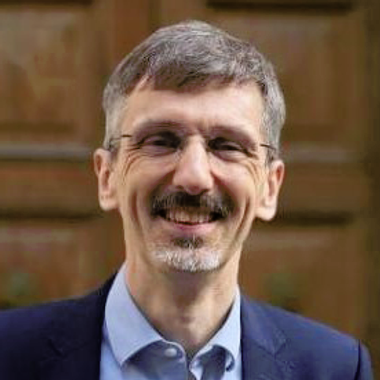
Professor Sir John Aston Kt FRS

Lucy Yu

Speaker session
Deeptech is becoming the infrastructure that underpins everyday life. Cambridge Tech Week 2026 central theme is How Deep Tech changes the world and for this special launch event our panel explores a core question: what kind of ecosystem is required to power deep tech at global scale? Bringing together leaders from infrastructure, compute, investment and policy, the conversation looks beyond individual breakthroughs to the systems that sustain them — energy, data, capital, talent, regulation and long-term partnerships. With Cambridge as a globally recognised deep-tech cluster, the discussion will examine how world-class science connects to realworld deployment: what is already being adopted, what does 2026-2030 look like, and how ecosystems like Cambridge can act as global conveners, translators and accelerators for deep tech with lasting economic, social and environmental impact
Chair: Dr Kathryn Chapman, Innovate Cambridge
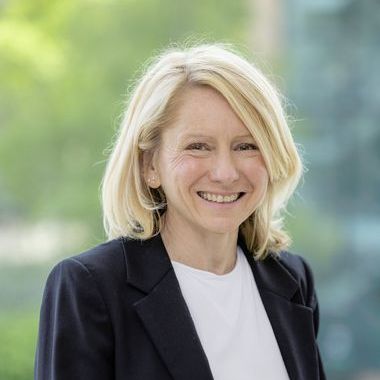
A molecular bioscientist, Kathryn has had a distinguished career in diverse leadership and strategic roles across the public and private sectors.
Following a successful research career at the University of Manchester, Harvard Medical School, Wellcome Trust Sanger Institute and GlaxoSmithKline, Kathryn has played a pivotal role in shaping inclusive innovation landscapes, building cross-disciplinary virtual and physical communities and creating novel models to remove barriers to success.
This includes a decade building and leading the innovation strategy for NC3Rs, a UKRI Research Council where Kathryn founded and directed a new challenge-led open innovation platform, CRACK IT which increases cross-discipline and cross-sector industry/academic partnerships in applied research. Kathryn also co-established the Milner Therapeutics Institute at the University of Cambridge, providing a physical hub for translational science and collaboration between industry and academia. The Institute is a centre of excellence for target validation through artificial intelligence, machine-learning, functional genomics and tool compound analyses. Most recently, prior to joining Innovate Cambridge, Kathryn directed the innovation strategy at the Babraham Research Campus, launching LiveLabs incubator space and leading the Campus accelerator, entrepreneurship and innovation activities.
Throughout these roles. Chapman’s focus has been on spearheading initiatives that propel startups, entrepreneurs and businesses towards success and driving meaningful change at a national and international level.
Kathryn has 50+ research publications and has been on a wide-range of national and international review panels (Innovate UK, Innovative Medicines Initiative and BBSRC). She holds an honorary professorship at the University of Coventry where she sits on the Vice Chancellor’s advisory group.
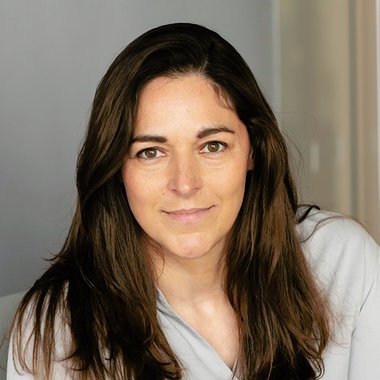
Jo Slota-Newson is a Deeptech venture capital investor, and Managing Partner at Almanac Ventures. Jo helps to build companies founded on scientific innovations, which will be critical to growing stronger, more resilient, decarbonised industries of the future.
Jo started her career as a research scientist in electronic materials at the University of Cambridge and the University of British Columbia. She has worked in technology commercialisation over two decades including in operational roles, such as serving as Chief Technology Officer for an early stage photovoltaics company.
Jo holds MA, MSci and PhD degrees in Natural Sciences from the University of Cambridge and the Chartered Financial Analyst designation, and is a Fellow of the Institute of Physics.
Jo is also an open water swimmer, and swam the English Channel in 2024.