Event Summary: Battery Horizons: The Energy Future
Cambridge Wireless (CW) hosted its Battery Horizons: The Energy Future event on 6 May 2026 at The Shard in London, delivered as part of the CW Future Devices & Technologies (FDT) Special Interest Group (SIG). The event was generously hosted by Mathys & Squire, whose support and venue made it possible to bring together leading voices from across the battery, energy and connectivity sectors.
Welcome Address
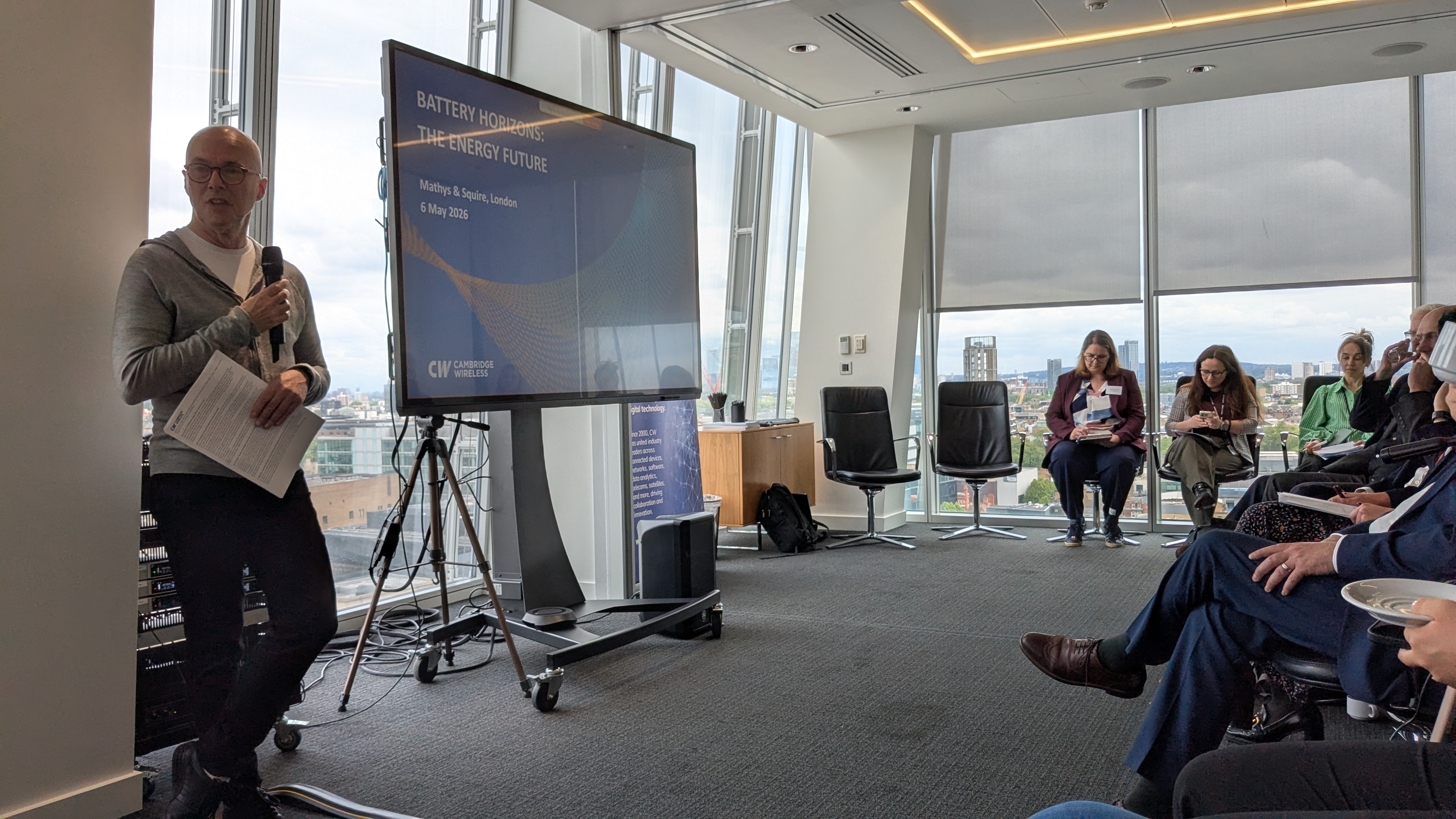
The afternoon was chaired in two parts by the SIG champions David Roberts, Founder, Jabooh Software, and Zahid Ghadialy, Principal Analyst & Consultant, 3G4G, who guided the audience through a programme that combined scientific depth, commercial insight and forward‑looking debate.
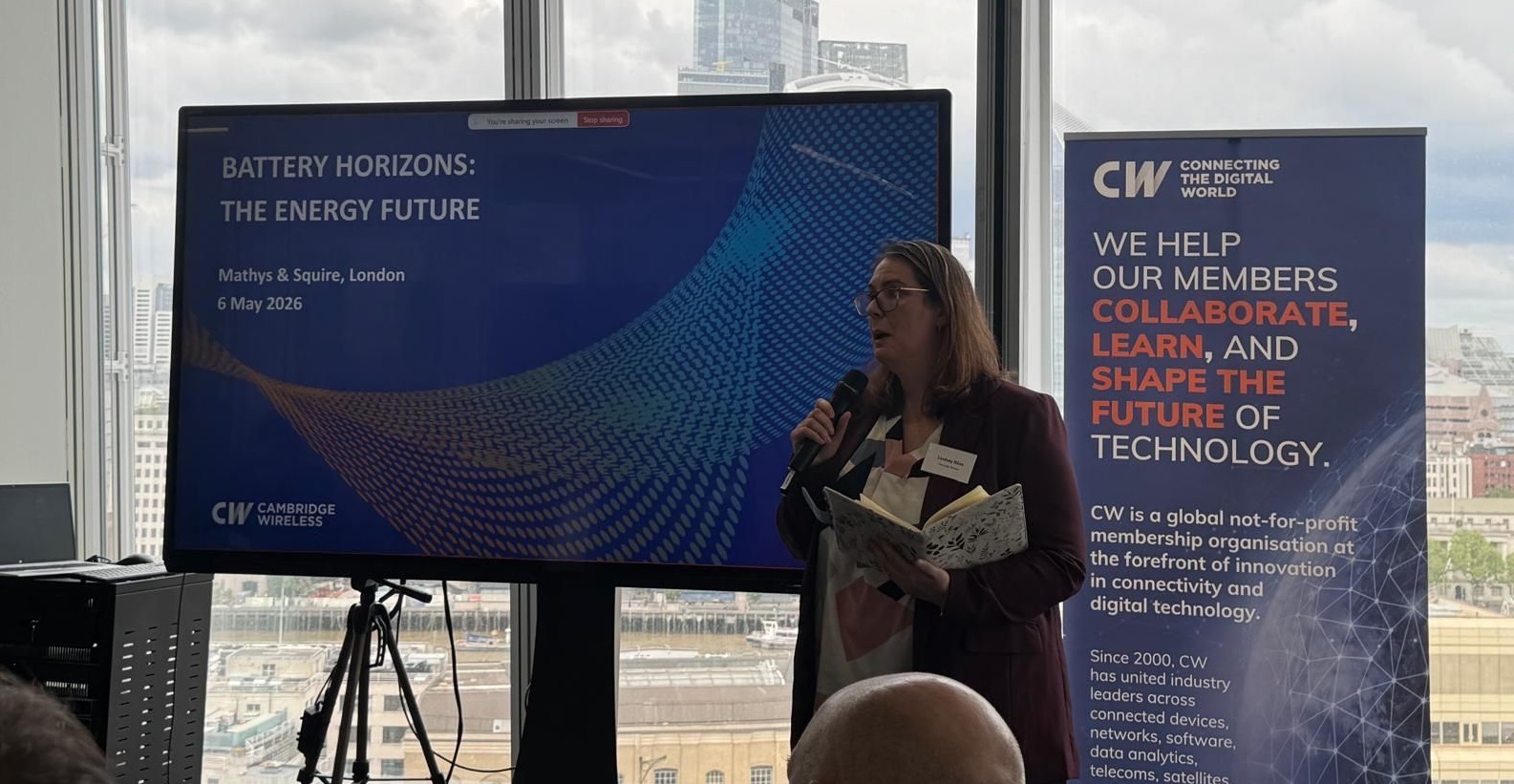
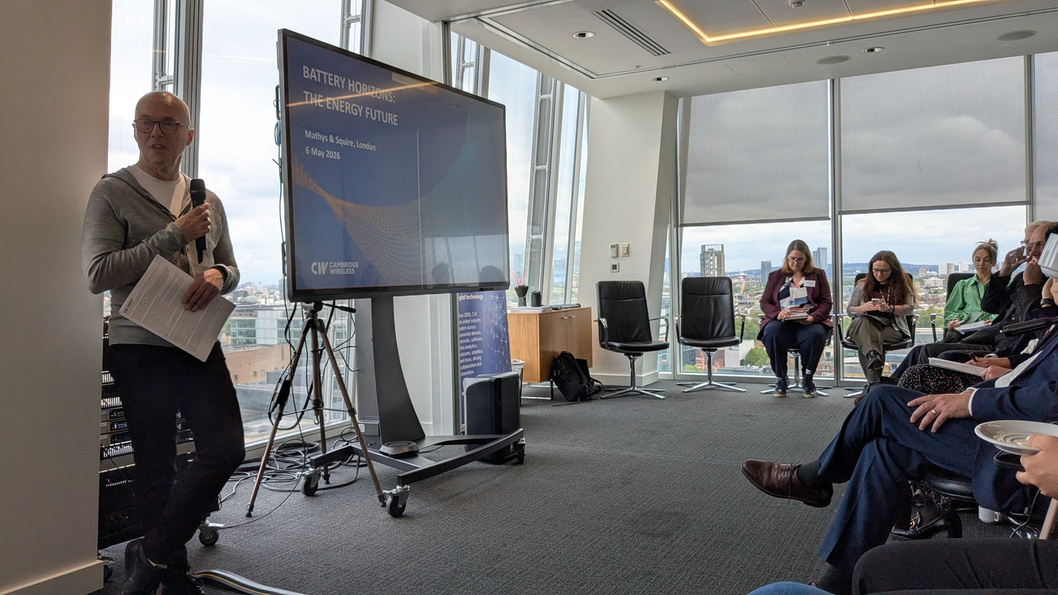
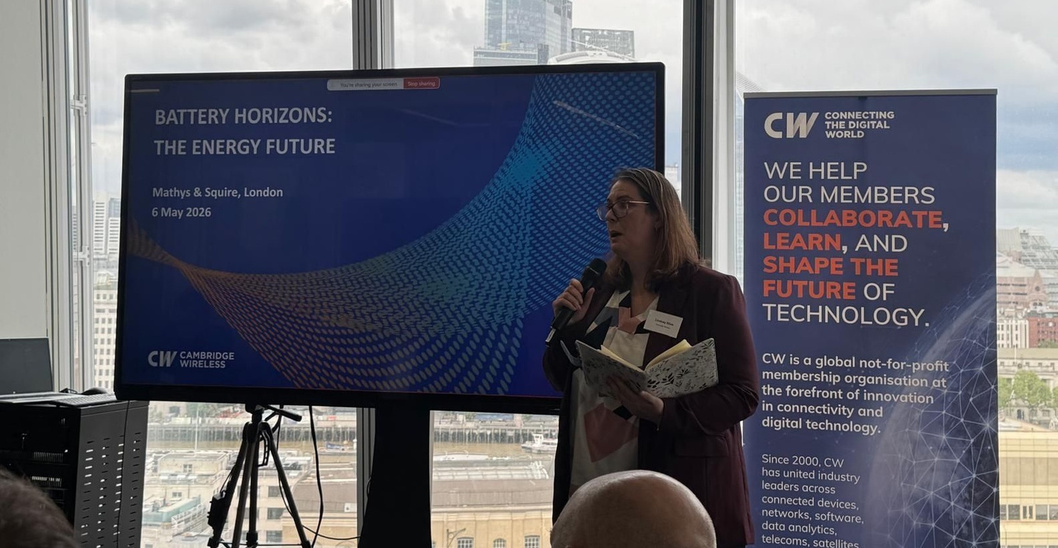
The event opened with Lindsay Bliss, Membership Success Manager at CW, welcoming delegates and setting the tone for a session focused on real‑world innovation and the technologies that will shape the next decade of energy storage. Lindsay then introduced David Roberts, who framed the day’s discussions within the broader mission of the Future Devices and Technologies SIG.
Session One:
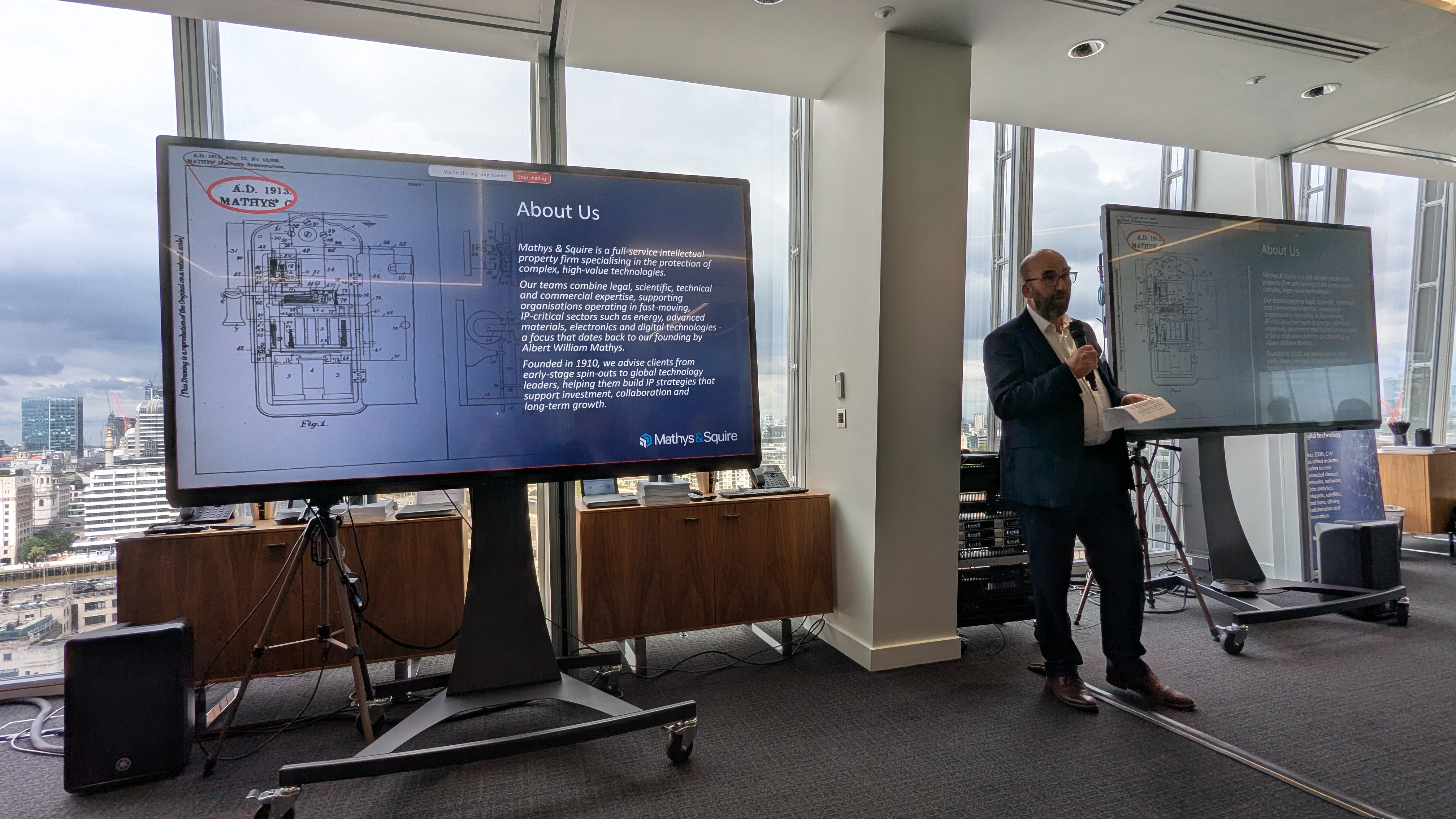
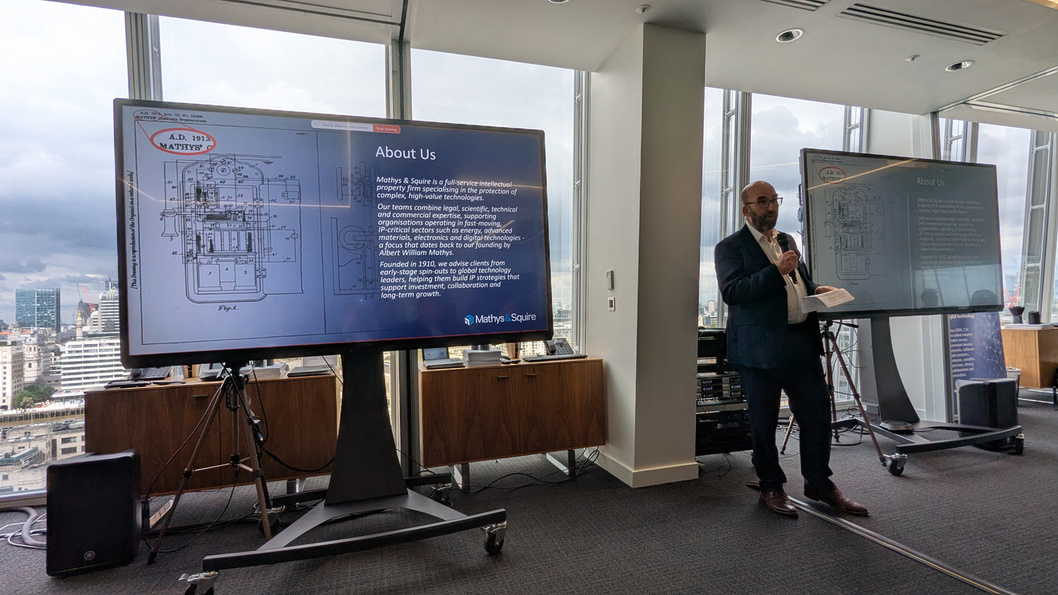
Dave Roberts then invited Jeremy P. Smith, Partner at Mathys & Squire, to provide a host welcome. Jeremy spoke about the firm’s rich heritage in intellectual property, tracing its roots back to the early twentieth century and highlighting how Mathys & Squire has supported innovation for more than a century. He noted that the organisation has long specialised in protecting complex, high‑value technologies, including advanced materials, energy systems and digital technologies, and continues to work closely with companies developing next‑generation battery chemistries. His remarks connected the firm’s historical foundations with the rapid pace of modern battery innovation, setting an ideal context for the technical sessions that followed.
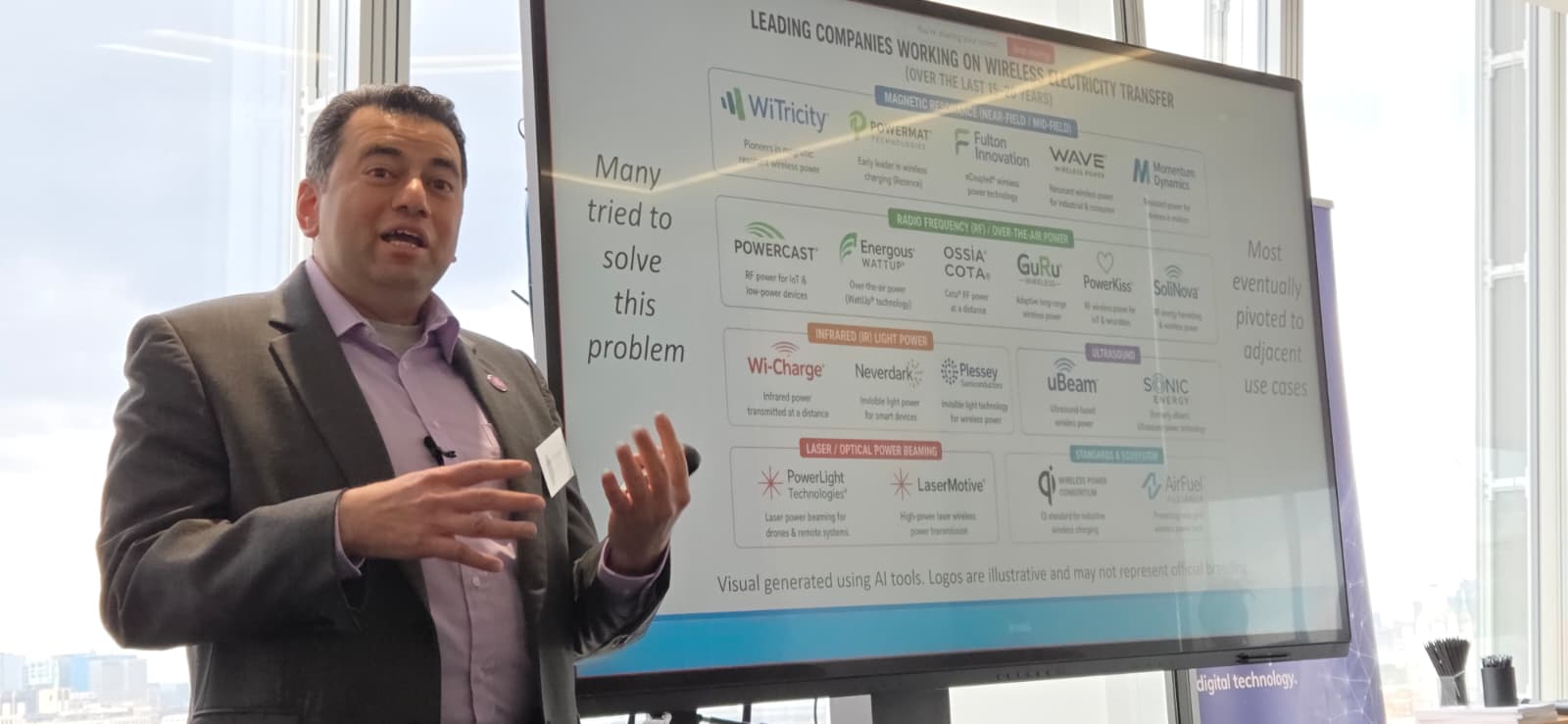
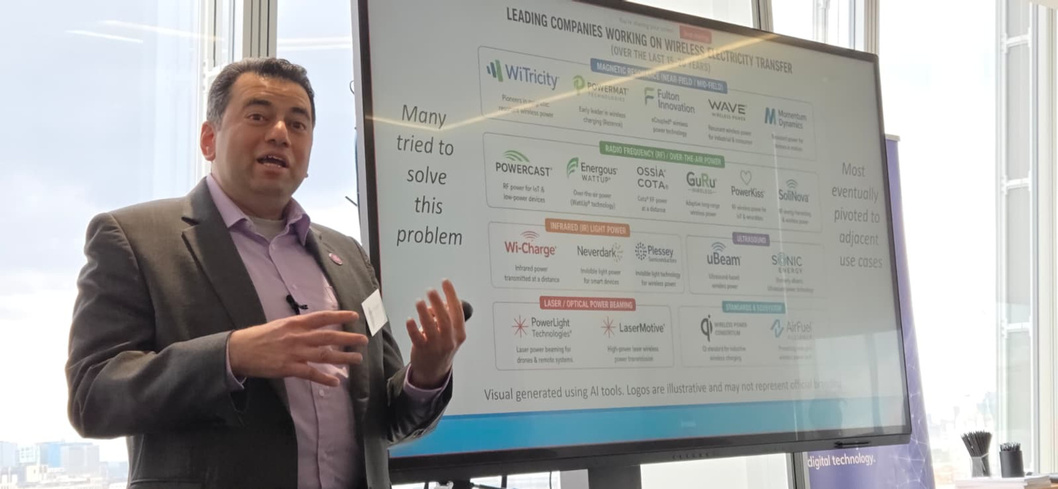
The first presentation was delivered by Zahid Ghadialy, who revisited the early vision of smart and intelligent consumer batteries. This concept imagined a world where batteries could communicate, negotiate charging priorities and manage energy flows autonomously. While the original idea was ambitious, Zahid showed how the industry has evolved in a different direction. Instead of long‑range wireless power and fully autonomous battery‑to‑battery communication, progress has centred on fast charging, improved energy density, short‑range wireless charging and software‑driven optimisation. The intelligence once expected to sit inside each battery has instead migrated into battery management systems (BMS), device ecosystems and energy orchestration platforms. The shift reflects the wider evolution of lithium‑ion (Li‑ion) technology and the rise of system‑level optimisation rather than cell‑level autonomy.
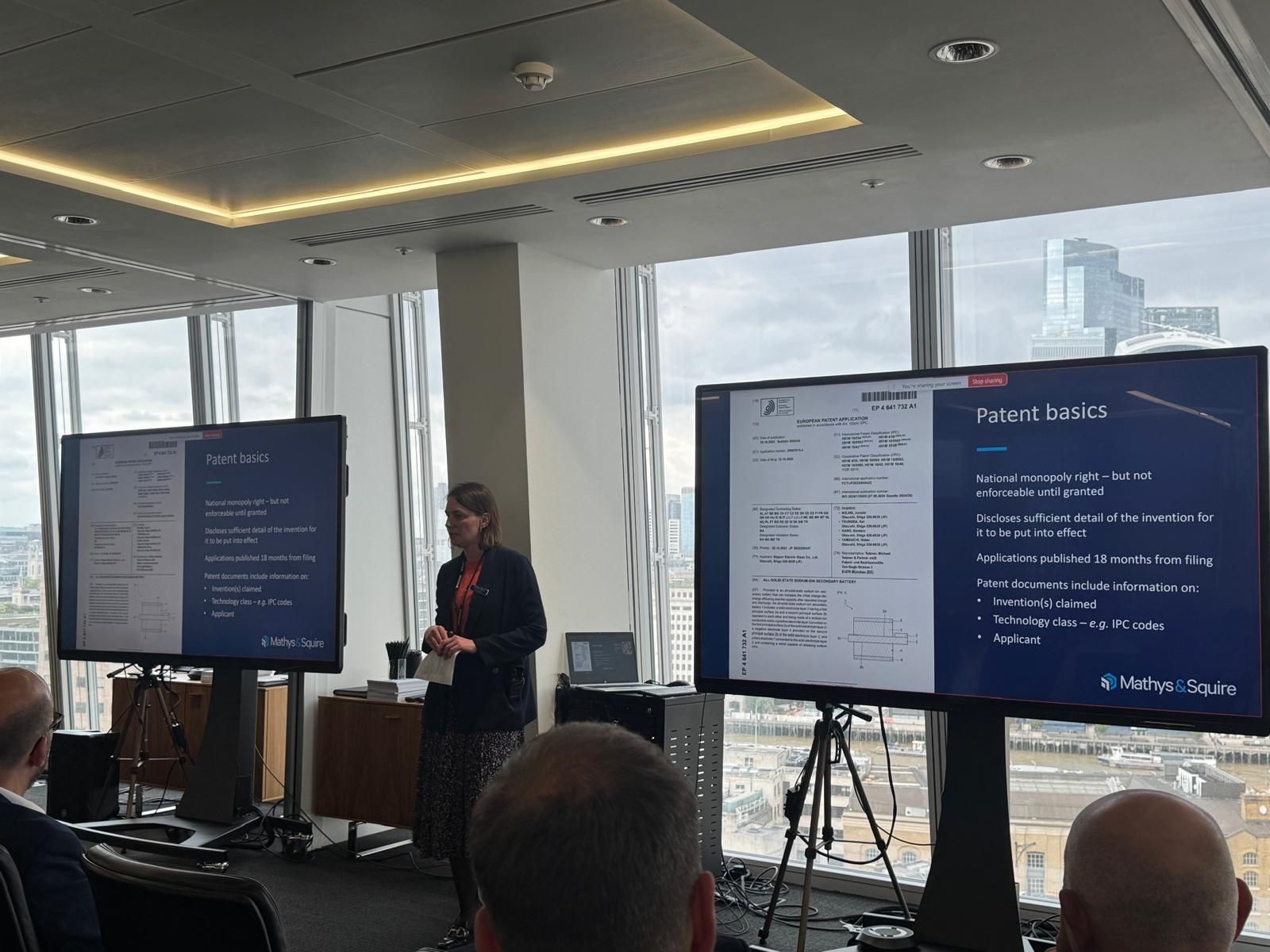
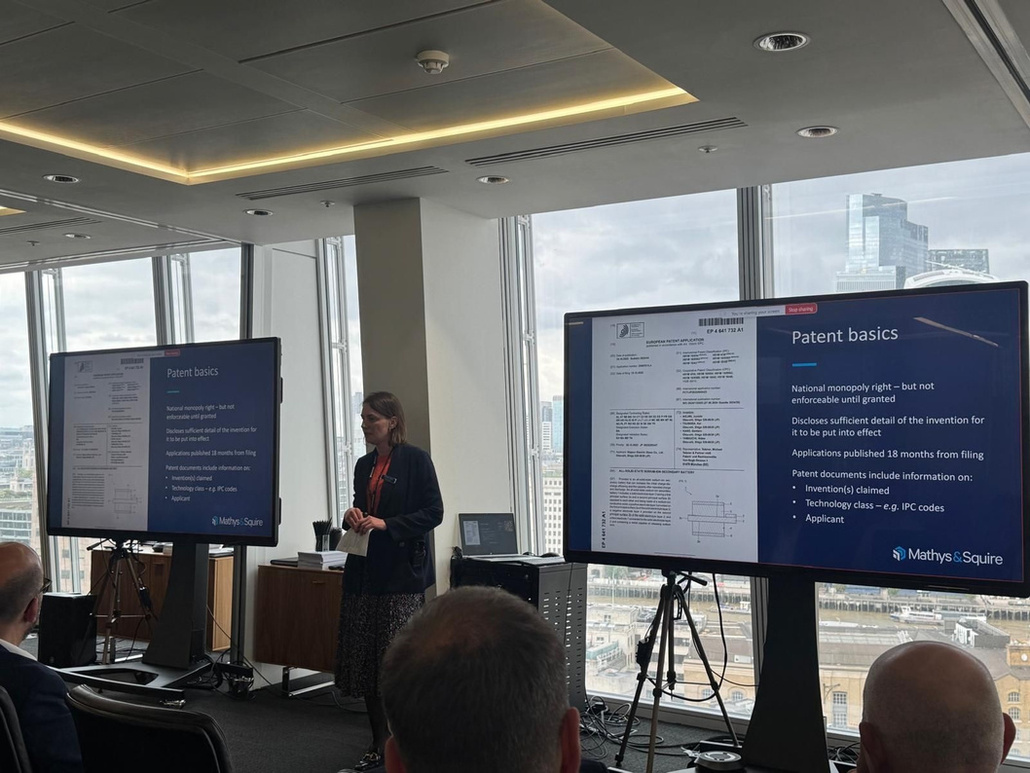
The focus then shifted to intellectual property (IP) trends with Posy Drywood, Partner at Mathys & Squire, who provided a data‑rich analysis of global patent activity across battery technologies. Her presentation revealed the extraordinary scale of innovation in secondary cells, with Li‑ion (LIB) dominating filings and continuing to grow year on year. Patent activity in areas such as safety, lifecycle performance, temperature resilience and charging efficiency has accelerated sharply. Posy highlighted the rise of solid‑state batteries (SSB), lithium‑sulfur (Li‑S) and sodium‑ion (Na‑ion or NIB) technologies, noting that Japan, Korea and China are driving much of the global momentum. She also emphasised the strategic importance of IP in a sector where prior art is vast but innovation remains intense, and where navigating the patent landscape is essential for commercial success. Her analysis covered cathode families such as NMC, NCA, LFP, LMO and LCO, as well as emerging electrolyte and separator innovations.
Session Two:
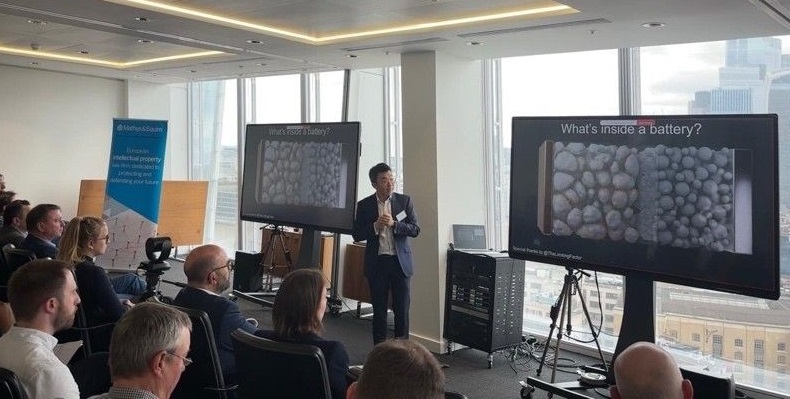
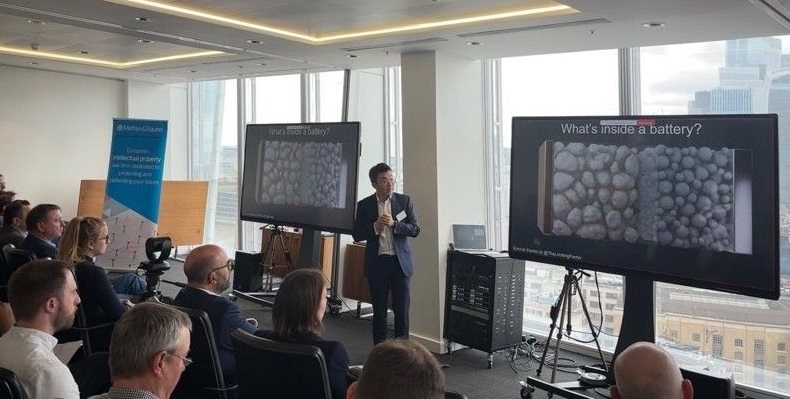
The next session, delivered by Dr Billy Wu, Associate Professor in Electrochemical Design Engineering at Imperial College London, explored the scientific and engineering frontier of next‑generation batteries. Billy examined the challenges of scaling production, the limitations of current chemistries and the opportunities for step‑change improvements. He highlighted the global race to build gigafactories, the complexity of the battery supply chain and the need to solve the industry’s long list of competing requirements, from cost and energy density to safety, recyclability and predictive modelling. His analysis of solid‑state Li‑metal systems, including oxide, sulfide and polymer electrolytes, provided a balanced view of their potential and their practical constraints, particularly around interfaces, manufacturability and real‑world performance. He also positioned Na‑ion (NIB) as a credible alternative for stationary storage, where cost, sustainability and cold‑weather performance can outweigh the need for maximum energy density. Comparisons across specific energy (Wh/kg), energy density (Wh/L), cycle life, power density and thermal behaviour helped contextualise the trade‑offs between LIB, NIB and SSB technologies.
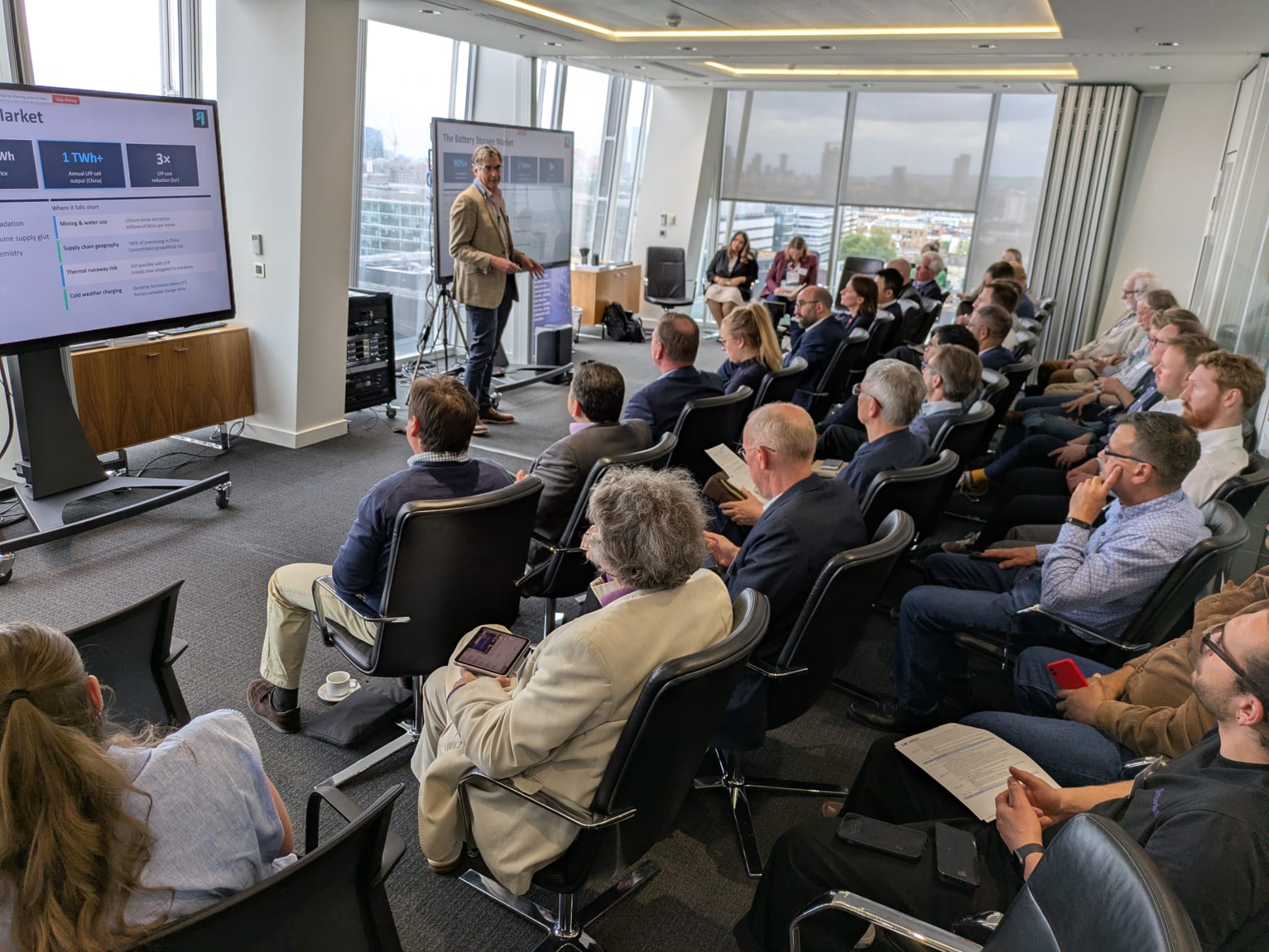
The final presentation before the break came from Neil French, Chief Technology Officer at Eleven Energy, who examined sodium‑ion technology from a commercial deployment perspective. Neil outlined the rapid growth of the UK residential storage market, driven by dynamic tariffs, rising electricity prices and the expansion of domestic solar PV. He explained why Na‑ion is well suited to UK conditions, particularly its ability to charge reliably at low temperatures, where lithium iron phosphate (LFP) systems often struggle. Neil also described Eleven’s approach to integrating hardware, software and AI‑driven energy management systems (EMS), supported by high‑frequency telemetry from deployed systems. This data is already informing predictive maintenance, fleet‑wide optimisation and future product development. His roadmap showed a clear progression from residential systems to industrial and grid‑scale battery energy storage systems (BESS), supported by emerging UK manufacturing initiatives.
Session Three:
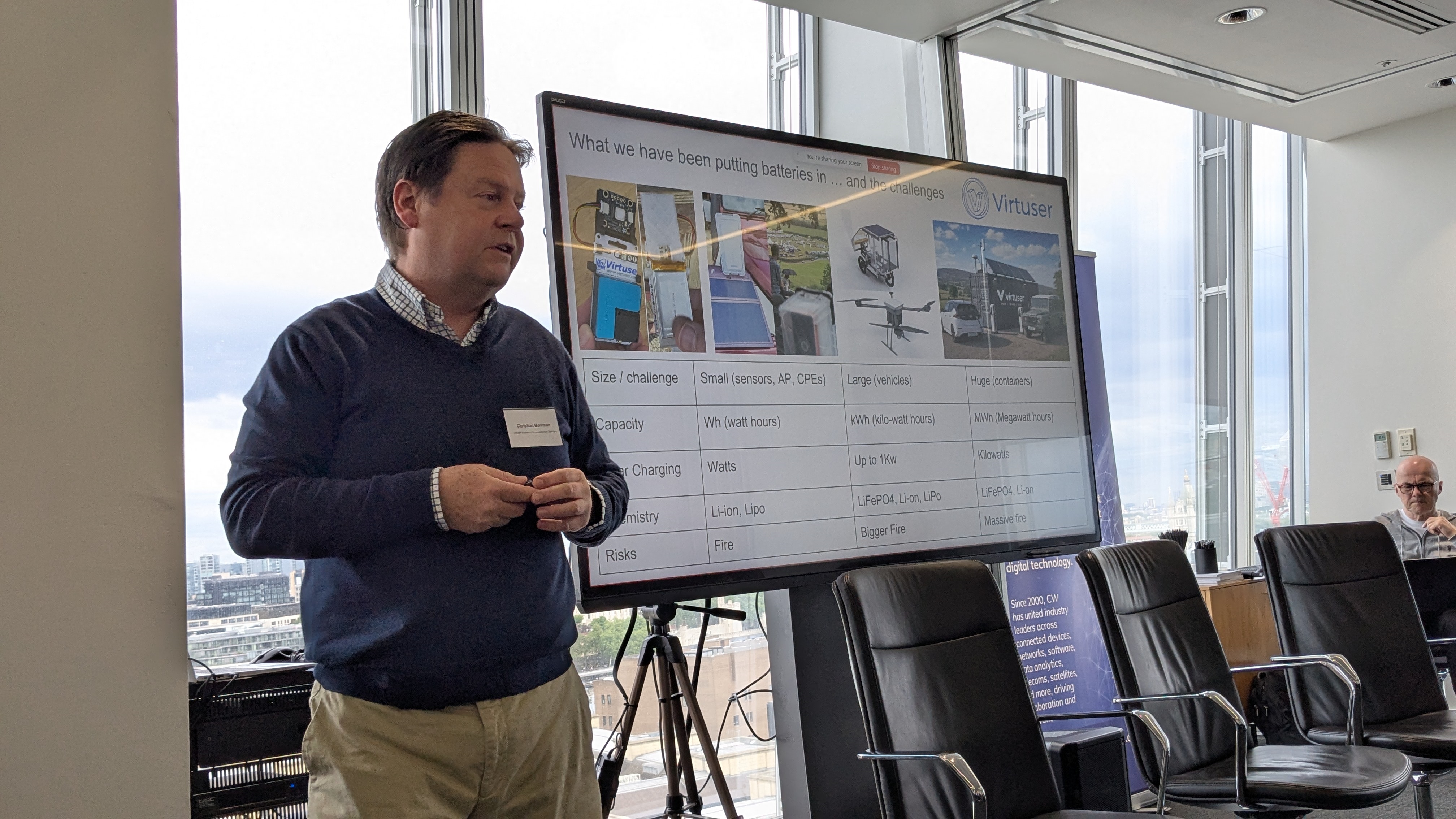
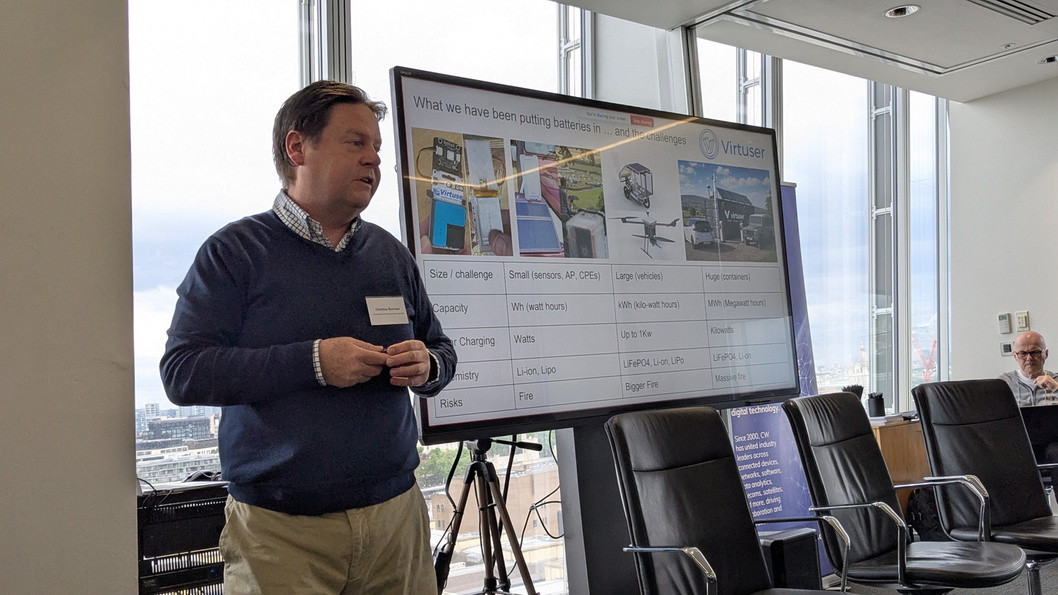
After the break, Christian Borrman, CEO and Founder of Virtuser, explored the role of batteries in mobility and connectivity. Christian drew on decades of experience delivering mobile innovation to show how batteries underpin everything from drones and private 5G systems to off‑grid vehicles and field‑deployable infrastructure. He highlighted the challenges of powering devices across a vast range of sizes and use cases, each with different chemistries, risk profiles and operational constraints. Real‑world data from electric vehicles (EVs) and mobile systems illustrated how battery behaviour varies with temperature, load and environmental conditions. Christian emphasised the importance of careful battery selection, robust BMS design and engineering choices that minimise fire risk while supporting demanding operational scenarios. His examples spanned Li‑ion, Li‑polymer (LiPo), LFP and NMC deployments across mobility and connectivity platforms.
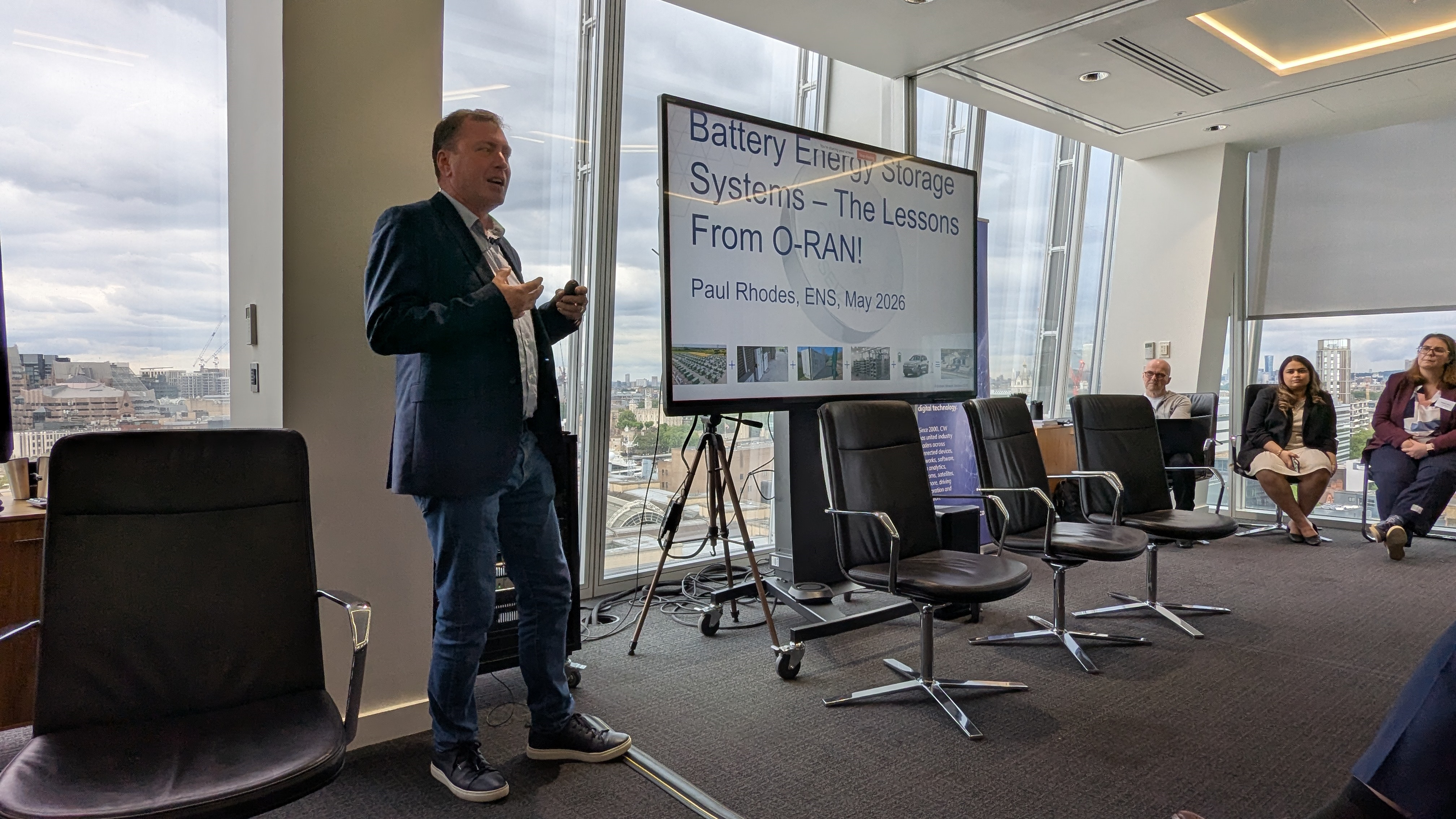
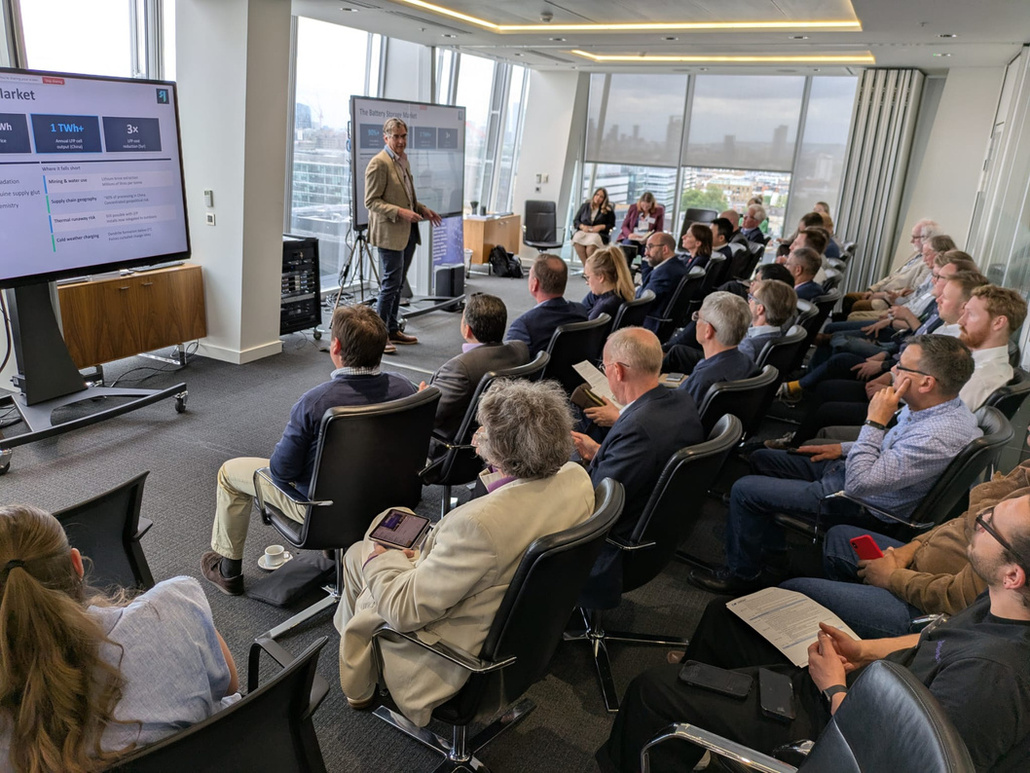
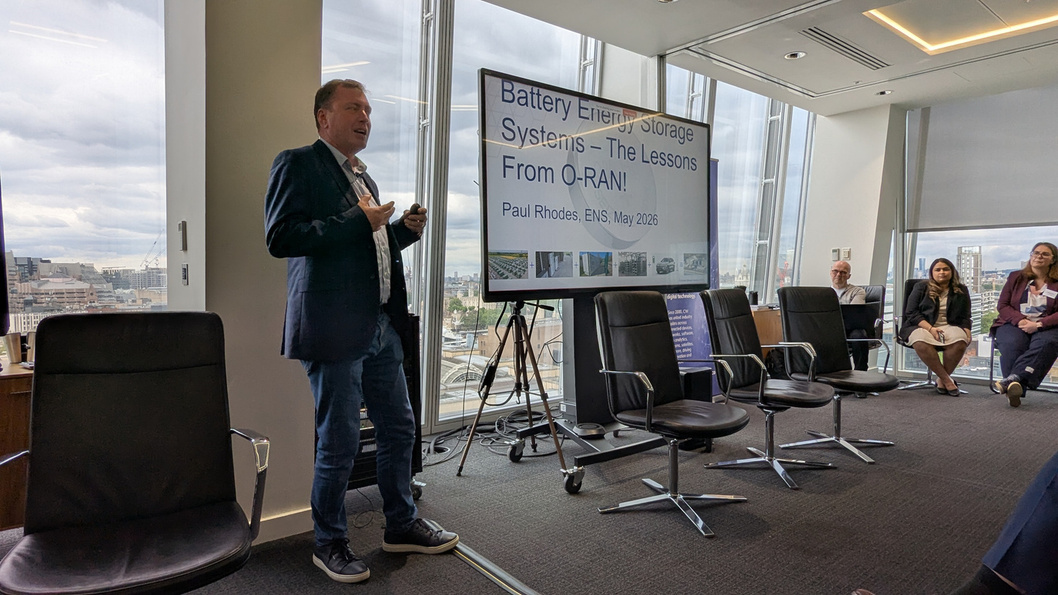
The final technical presentation was delivered by Paul Rhodes, Head of Strategic Consulting at Evolved Network Solutions, who examined BESS through the lens of lessons learned from Open RAN (O‑RAN). Paul drew parallels between telecoms disaggregation and the rise of distributed energy storage. He showed how residential systems, commercial deployments, mobile network backup, vehicle‑to‑grid (V2G) and grid‑scale batteries can collectively form a virtual third dispatchable resource alongside nuclear and fossil fuels. His analysis of the UK’s evolving energy landscape highlighted the growing need for long‑duration storage, the role of interconnectors and the importance of diverse battery technologies. Paul also explored investor‑funded residential storage, commercial battery boxes and telecom‑driven virtual power plants, demonstrating how these models are reshaping the future grid.
Panel Discussion:
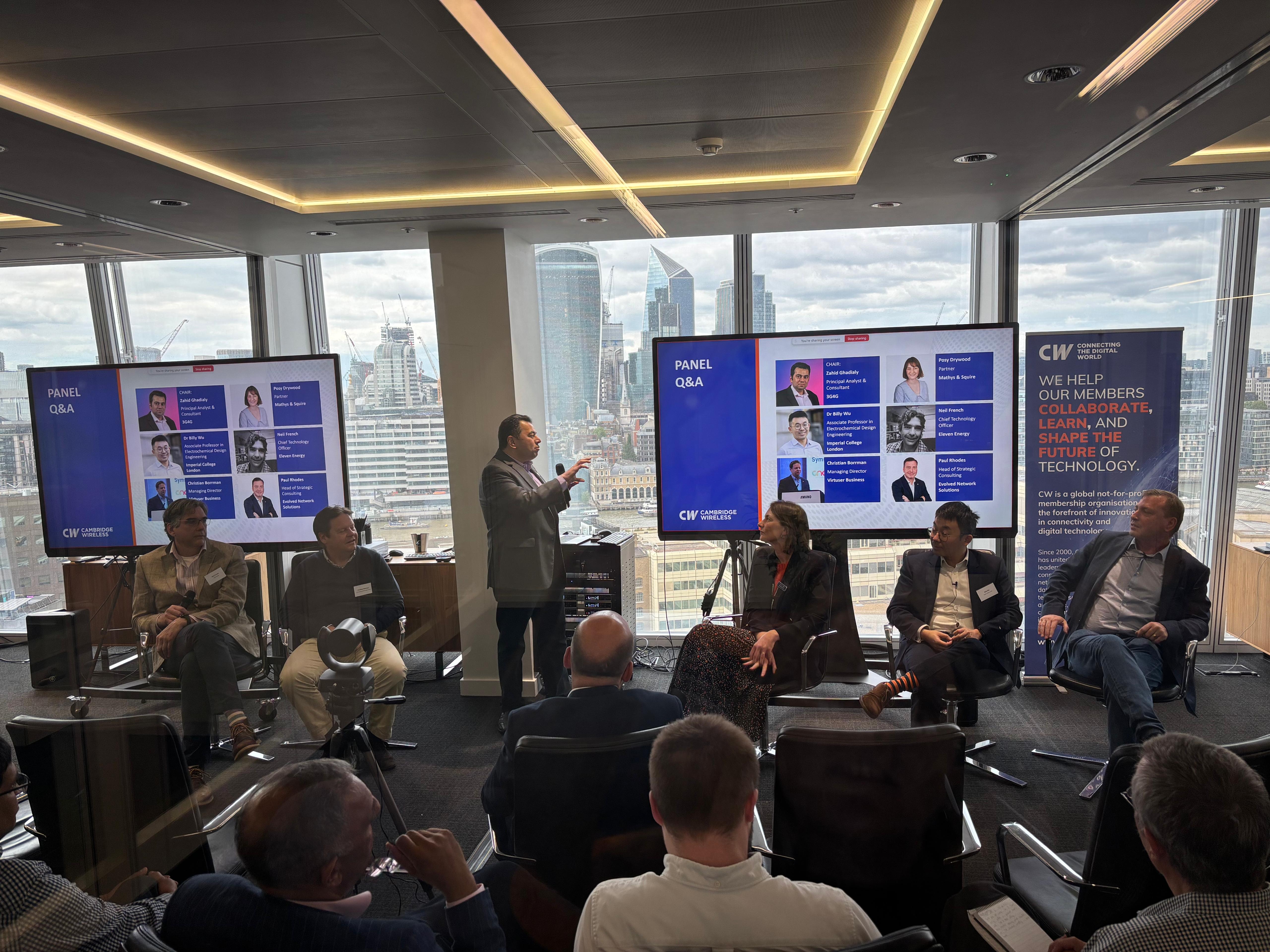
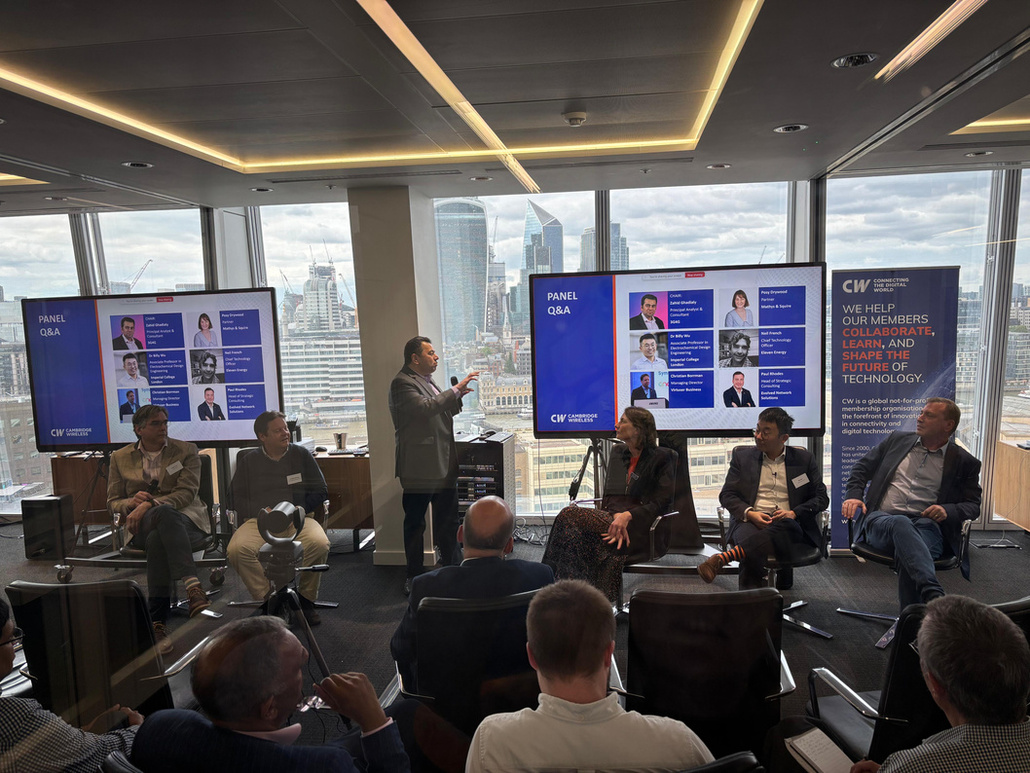
The event concluded with a panel discussion chaired by Zahid Ghadialy, bringing together Posy Drywood, Dr Billy Wu, Neil French, Christian Borrman and Paul Rhodes. The panel reinforced the central themes of the day: the need for innovation across materials, manufacturing and system integration; the importance of safety, sustainability and supply‑chain resilience; the growing role of software, AI and data in managing energy systems; and the recognition that no single battery chemistry will dominate every application. Instead, the future will be shaped by a portfolio of technologies, each optimised for specific use cases.
Closing Remarks
Battery Horizons demonstrated that the energy future will be defined not by a single breakthrough but by the convergence of science, engineering, policy and market forces. From solid‑state research to sodium‑ion commercialisation, from mobility to grid‑scale storage, and from IP strategy to AI‑driven optimisation, the sector is entering a period of rapid evolution. Cambridge Wireless, together with Mathys & Squire as host, provided a platform for these perspectives to come together, offering a clear view of the opportunities and challenges ahead as batteries become central to the world’s energy and connectivity infrastructure.